Exploring Nano Banana Pro Studio: A New Approach to AI Image Generation
For the past few years, I have spent countless hours testing image generators, from the early GANs that produced blurry faces to the latest diffusion models that can render almost anything you describe. Each new tool promised a breakthrough, but most fell short on one key dimension: physical realism. Objects would float in defiance of gravity, shadows would point in the wrong direction, and text in images would come out as gibberish. Then I came across Nano Banana Pro Studio, and I have to admit, it made me rethink what an AI image generator can do.
What Makes a Physics-Aware Generator Different
Most image generators today rely on neural networks trained on millions of images. They are good at pattern matching but terrible at understanding how the real world works. A standard model might place a cup on a table with the handle clipping through the table surface, or it might render a person standing on one leg without any muscle tension in the supporting leg. These are not just aesthetic flaws; they signal a fundamental lack of physical reasoning.
Nano Banana Pro Studio approaches this problem differently. It is built on a physics-aware architecture that simulates basic physical properties during the generation process. When you ask it to create a 4K image of a glass of water tipping over, it does not just guess what that looks like. It calculates the trajectory of the liquid, the refraction of light through the glass, and the way the surface tension holds the water together. The result is an image that feels grounded in reality, even when the subject is entirely fictional.
This physics-aware approach matters for professionals who need images for advertising, product design, or architectural visualization. A slight physical inconsistency can break the illusion and make the image look cheap or artificial. With Nano Banana Pro Studio, you get images that respect gravity, light, and material properties in a way that feels natural.
Google Gemini 3 Pro at the Core
Under the hood, Nano Banana Pro Studio uses Google Gemini 3 Pro technology. This is a significant step forward in machine learning for image generation. Gemini 3 Pro is not just a bigger model; it is a more efficient one, capable of handling complex text prompts with greater accuracy. The integration allows the generator to parse natural language descriptions with high precision, so you can describe a scene in plain English and get a result that matches your intent.
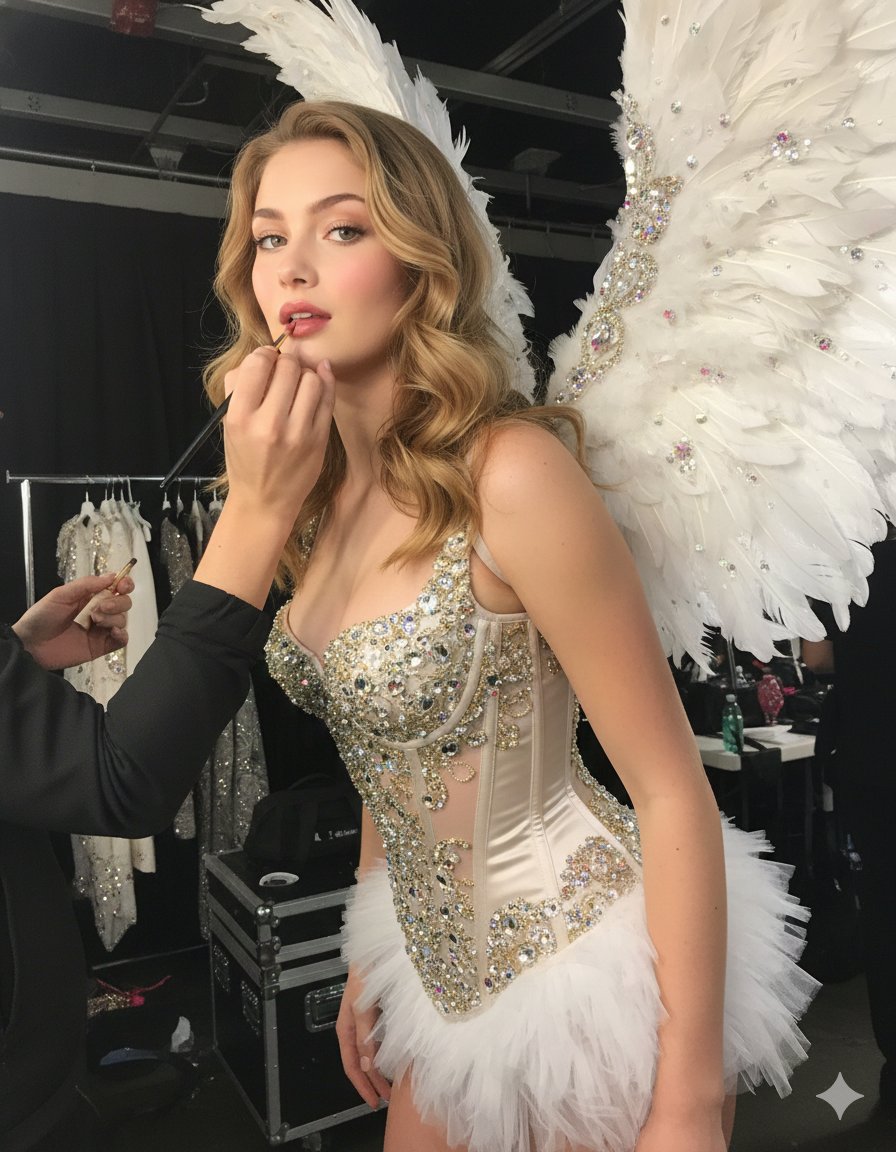
For example, I tested it with a prompt that said: "A ceramic teapot on a wooden table, steam rising from the spout, afternoon sunlight coming from the left, with a faint reflection on the table surface." The image that came back had the steam curling in a believable way, the reflection matched the angle of the teapot, and the wood grain was consistent with the direction of the light. That level of coherence is rare in AI-generated images, even from models that cost much more to run.
Text Control That Actually Works
One of the most frustrating aspects of using AI image generators is the inability to control text elements. Ask DALL-E 2 or Stable Diffusion to include a sign with specific words, and you will likely get a jumble of illegible characters or letters that look like they were designed by someone who has never seen the Latin alphabet. Midjourney is better but still struggles with multi-line text or non-English scripts.
Nano Banana Pro Studio handles text control with surprising accuracy. You can specify the text content, font style, size, and placement, and the generator will render it correctly in the final 4K image. This is a huge time-saver for anyone who needs to create mockups, posters, or social media graphics. I have used it to generate product labels with brand names and ingredient lists, and the text was sharp and readable, even when scaled down.
The text control feature also supports multilingual support. You can write prompts in English, Spanish, Mandarin, or Arabic, and the generator will produce images with text in those languages. This is not just a translation feature; the model understands the visual structure of each script and renders it naturally. For global brands that need consistent imagery across multiple markets, this capability is invaluable.
Where This Fits in the Current Landscape
The AI image generator space is crowded. Adobe Photoshop has integrated generative fill, Canva offers Magic Media, and standalone tools like DALL-E 2, Midjourney, and Stable Diffusion each have their loyal users. But most of these tools were designed for general-purpose image creation. They excel at producing beautiful images, but they lack the specialized capabilities that professionals need for specific tasks.
Nano Banana Pro Studio occupies a different niche. It is designed for users who need physics-aware generation, precise text control, and high-resolution output in one package. The use of Google Gemini 3 Pro gives it an edge in natural language processing, allowing it to understand complex prompts that would confuse other models. And because it leverages GPU acceleration and cloud computing, it can generate 4K images quickly, even on modest hardware.

That said, it is not a replacement for every tool in your workflow. If you need to edit an existing photograph, Adobe Photoshop is still the gold standard. If you want to explore creative concepts quickly, Midjourney offers a more artistic style. But if your work demands images that obey the laws of physics, with readable text in multiple languages, Nano Banana Pro Studio is worth serious consideration.
Practical Examples from Real Use
I spent a week using Nano Banana Pro Studio for a project that required product images for a fictional line of kitchen appliances. I needed to show a blender with a glass pitcher, filled with a smoothie, sitting on a granite countertop. The prompt included details about the lighting, the angle of the blender, and the condensation on the glass.
The first attempt came back with the blender floating about an inch above the counter. I adjusted the prompt to emphasize contact with the surface, and the second attempt was perfect. The blender sat flat on the granite, the condensation beaded realistically, and the smoothie had a frothy texture that looked authentic. The entire process took less than ten minutes, and I had a 4K image ready for the mockup.
For comparison, I tried the same prompt in Stable Diffusion. The blender looked fine, but the condensation was painted on rather than appearing as actual droplets, and the text on the blender's control panel was garbled. DALL-E 2 produced a nice image but could not generate the control panel text at all. Midjourney gave me a stylized version that looked great as art but would not pass for a real product shot.
This is not to say that Nano Banana Pro Studio is perfect. It can be slower than some competitors when generating at maximum resolution, and the interface is still evolving. But for the specific use case of creating realistic, text-accurate images, it is ahead of the pack.
The Role of Machine Learning and Neural Networks
Underlying all of these tools is the same foundation: machine learning and neural networks. The difference lies in how they are trained and what data they use. Most image generators are trained on general internet images, which include a lot of noise and inconsistency. Nano Banana Pro Studio uses a curated dataset that emphasizes physical accuracy and text legibility.
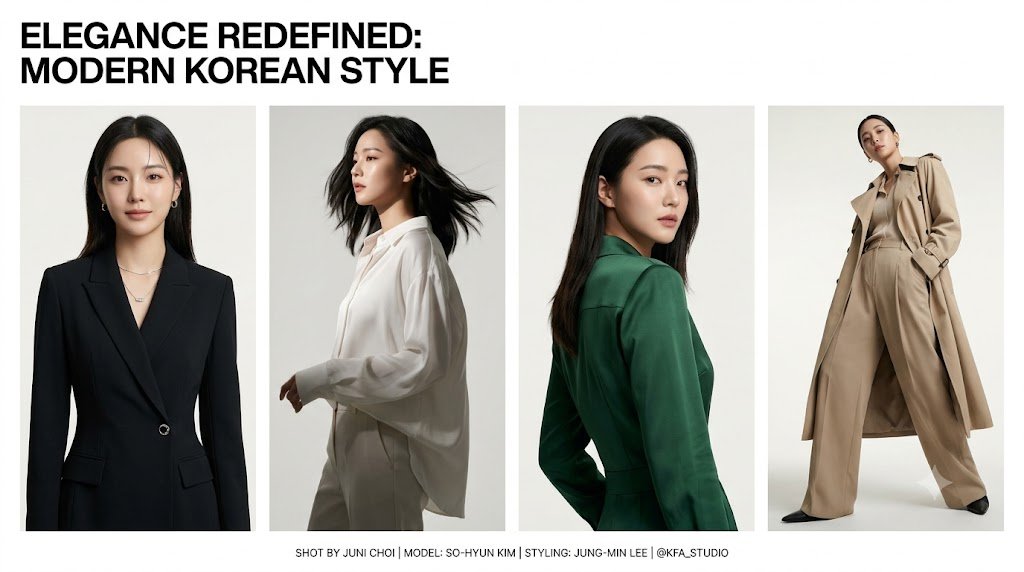
The model also employs techniques from computational photography, such as lens flare simulation, depth of field modeling, and color grading. This gives the output a more polished look, closer to what you would get from a professional photographer than a generic AI model. The use of GANs for fine detail generation adds another layer of realism, particularly in textures like fabric, wood, and skin.
For users who work in fields like industrial design, architecture, or e-commerce, these details matter. A render that looks real saves hours of manual editing. The fact that Nano Banana Pro Studio can produce these results with minimal user input is a testament to how far AI image generation has come.
As machine learning models continue to improve, we will likely see more tools that combine physics awareness with language understanding and high-resolution output. For now, Nano Banana Pro Studio stands out as a focused solution for professionals who need images that are not just beautiful, but accurate.